
Sludge Dewatering Belt
Sludge dewatering belt is a permeable fabric used in belt press to separate water from sludge. A conveyor belt that squeezes water out of waste.

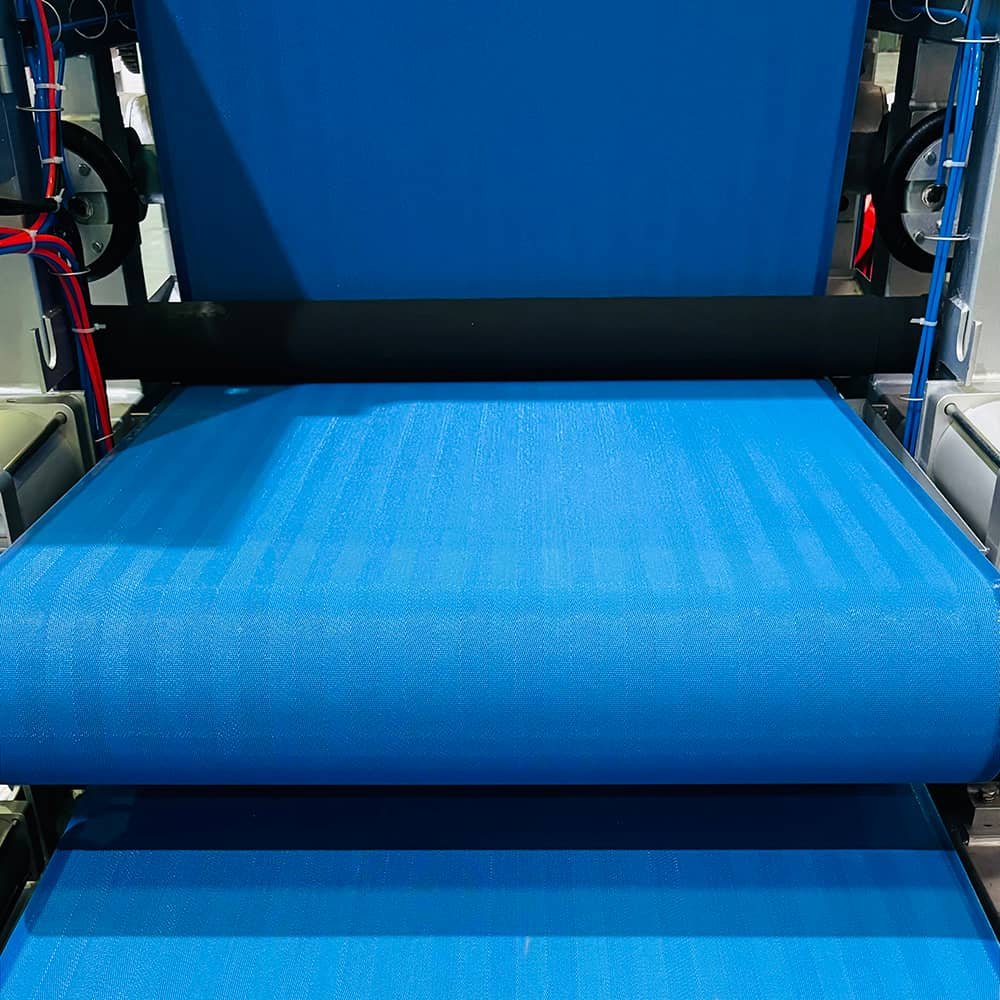
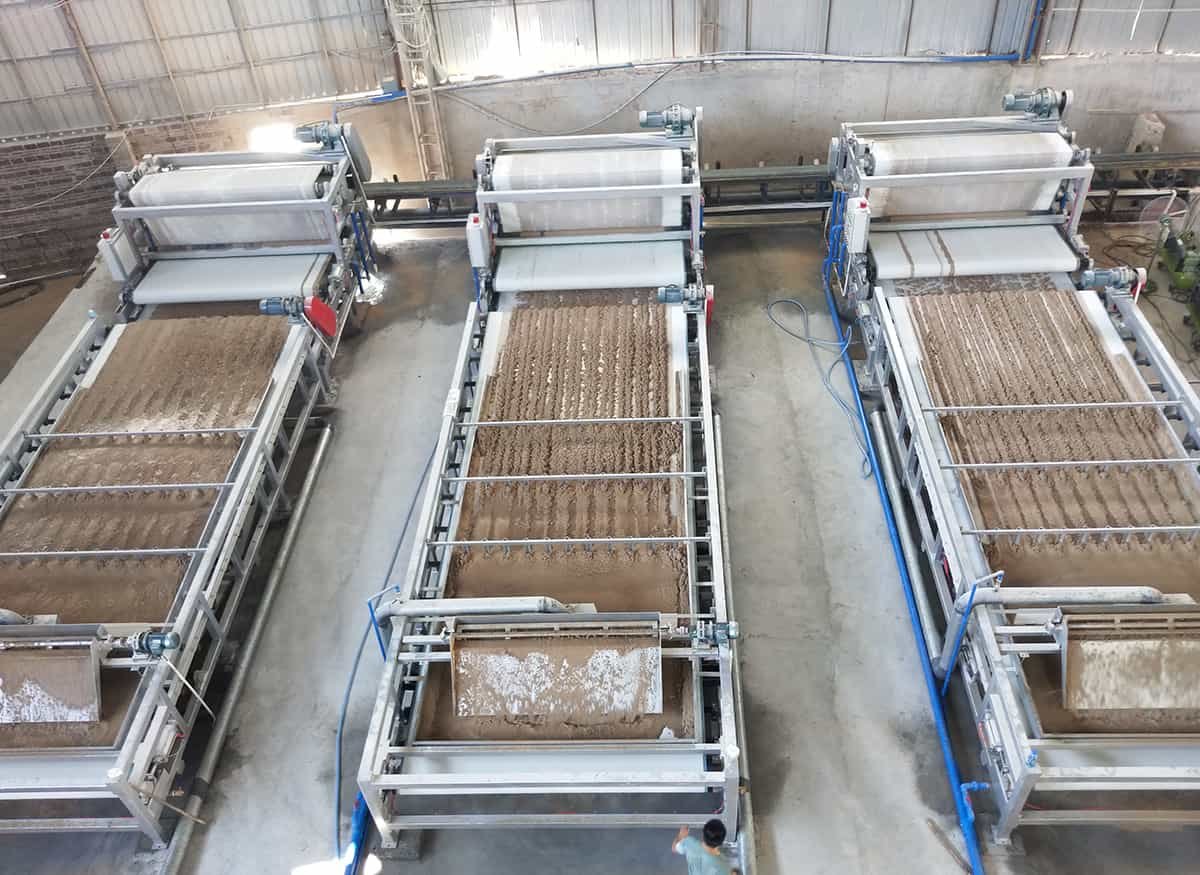
Choose the right sludge dewatering belt
Sludge dehydration belt (sludge dewatering net) selection of a full range, the appropriate choice should depend on its actual use. These factors include the sludge parameters, required level of dryness and operating condition. As a result, manufacturers provide belts in various sizes as well as weaves and materials for facilities that have specialized needs. In addition to that, they offer a loads of customization.
Hence, seeking guidance from a reliable supplier who already knows what will be the most appropriate Sludge Dewatering Belt. Additionally, it is essential to have the belts regularly and on time replaced as this ensures optimal dewatering.
Why it Matters
Municipalities and industrial plants generating significant quantities of wastewater need to process the waste sludge for effective operation. In this manner, management decreases the size of sludge increasing hauling and disposition costs. Dryer sludge is cheaper to haul and it keeps your contamination level at a minimum on the road.
Moreover, decreasing the water content in sludge minimizes chances that leachate (a liquid that drains ambient water or waste) will pollute land and adjacent bodies of water. In other words, the drier and granular this sludge is in nature, the better it is for our environment. For that purpose Sludge Dewatering Belts plays a vital process in this. They provide an initial barrier to entry and allow us to keep our waste management methods as “eco-friendly” as possible.
Sludge Dewatering Belt: How it Works For Wastewater Treatment?
Wastewater treatment sludge is a massive headache for any industrial or municipal operation. It is not only a huge mass of slime, but also highly watery (i.e. it has high water content) and therefore very heavy in weight and expensive to carry away. This is where the dewatering belts played a role.
Consequently, dewatering belts clear a considerable amount of water retention from the sludge and its overall size reduces as well. Drier sludge also has a tendency not to form leachate, the liquid that can make spoil or groundwater dirty when it seeped out from waste. Therefore, this is a better recycling method in landfills.
What is more, in a few cases reusing dewatered sludge can really be beneficial. For instance, it could be used in agriculture as a soil amendment or for energy production by collecting methane gas (a fuel). As a result, these are great example applications that demonstrate the huge advantages of dewatering waste effectively.