
Dewatering Equipment
Dewatering equipment finds its applications in the construction and mining industries, also in wastewater treatment, by removing excess water from materials.

Types of Dewatering Equipment
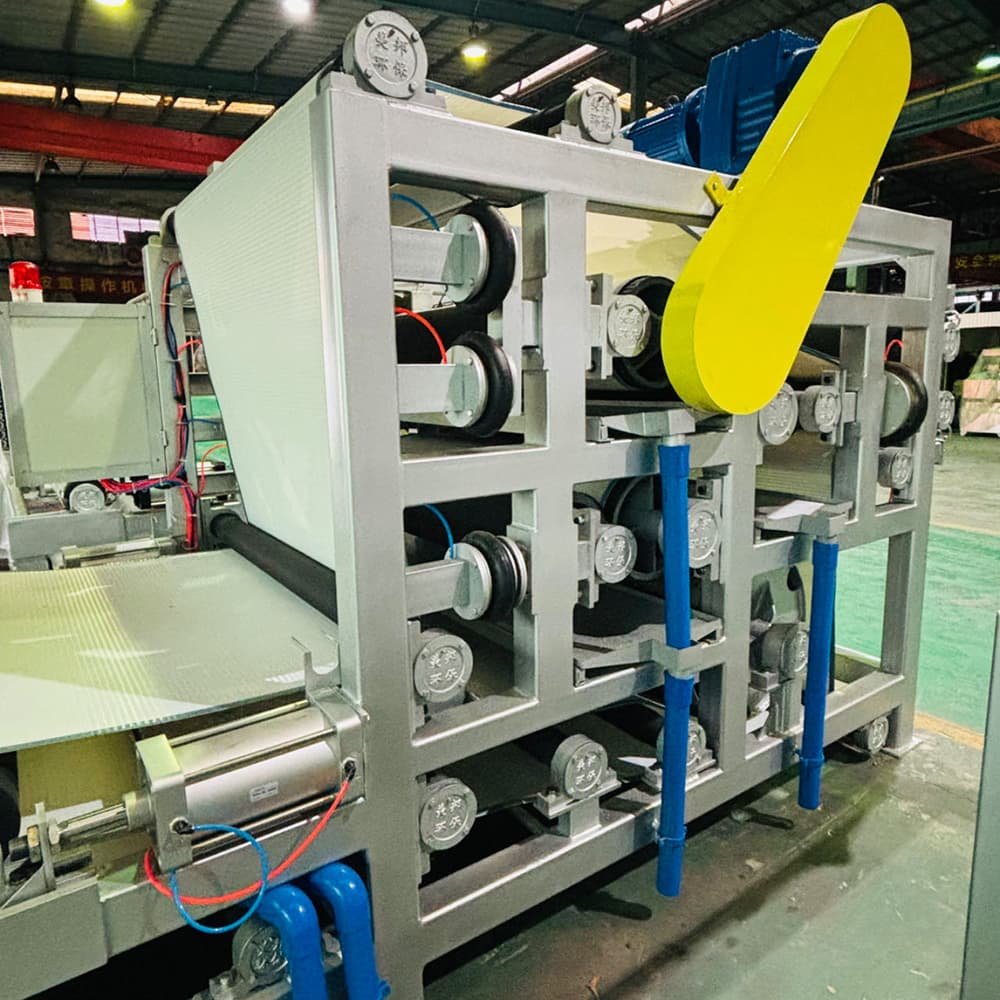
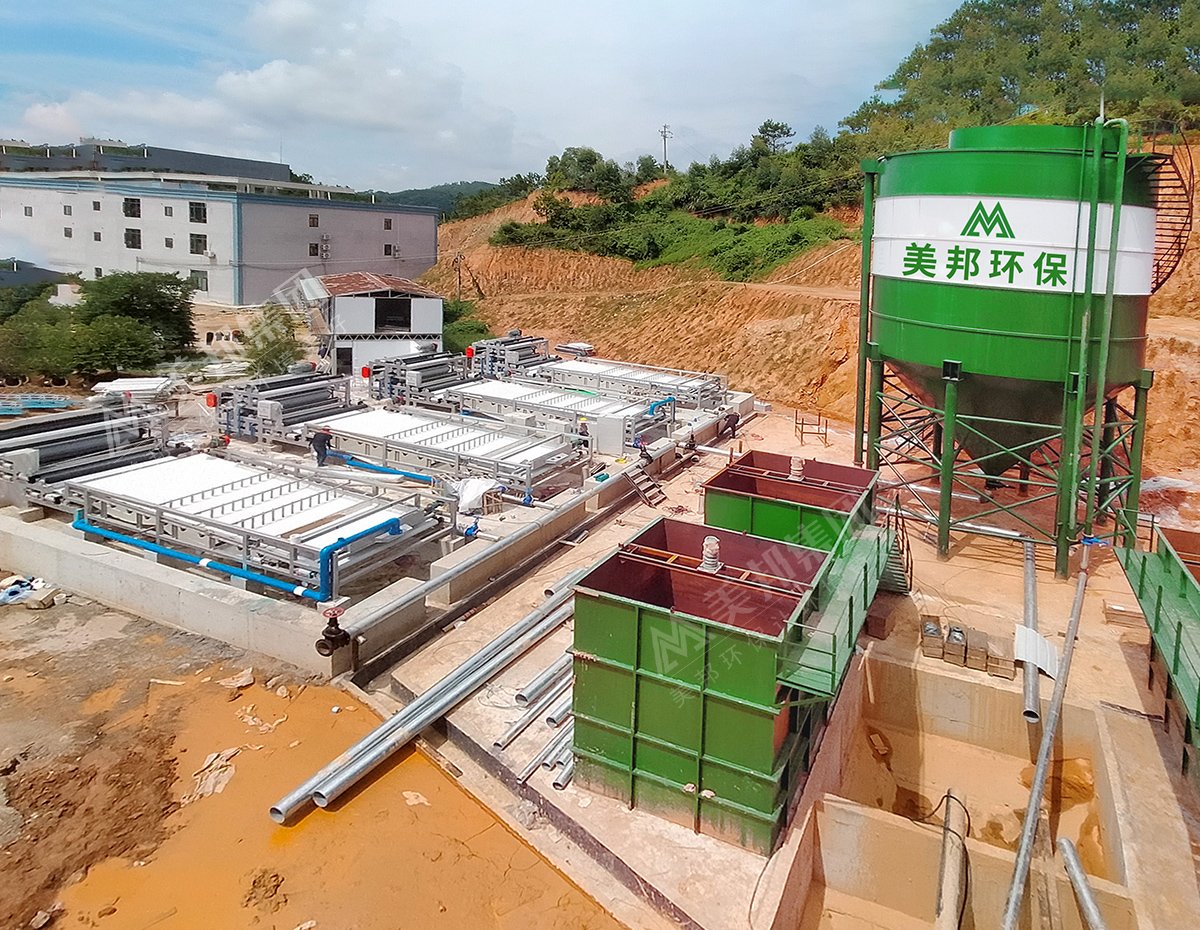
Belt Presses: These are devices using a continuous belt to dewater the sludge. Sludge is fed between the two running belts, and pressure applied by the belts expresses water. Belt presses, on the other hand, are efficient dewatering equipments for volumes of sludge and find application in many municipal wastewater treatment facilities.
Plate and frame filter press: The working principle of a plate and frame filter press is based on the concept of pressure filtration. The equipment consists of a series of plates and frames. These plates are arranged alternately and separated by small gaps. Filter cloth covers the plates, allowing liquid to pass through while retaining solids. The process begins by pumping liquid into the first plate, where it is then evenly distributed across the plate’s surface. The liquid then passes through the filter cloth and into the gaps between the plates. Solids are retained on the surface of the cloth. The liquid is then collected in a tank, while the solids are removed from the plates and discharged.
Applications of Dewatering Equipment
Construction: Dewatering has been considered one of the most vital activities within the building industry to control the groundwater levels, offering stability to excavations and avoiding accumulation of water that may undermine the structures.
Mining: Dewatering equipment is utilized in mining processes to manage the ingression of water in both open pit mines and underground operations to allow the running of extraction processes under safer conditions.
Wastewater Treatment: In the processing of wastewater treatment plants, dewatering equipment plays a key role in managing sludge to reduce the volume of the waste for disposal while increasing the effectiveness of the treatment process.
Benefits
There are several benefits associated with the use of dewatering equipment, including:
Improved Material Handling: Lower moisture content provides stability and allows materials to be transported more effectively.
Cost Efficiency: Effective dewatering will lead to a decrease in waste disposal costs while assisting in the recovery of valuable materials.
Environmental Protection: Adequate dewatering serves to protect groundwater and surface water from pollution due to runoff and volume reduction of wastes.